
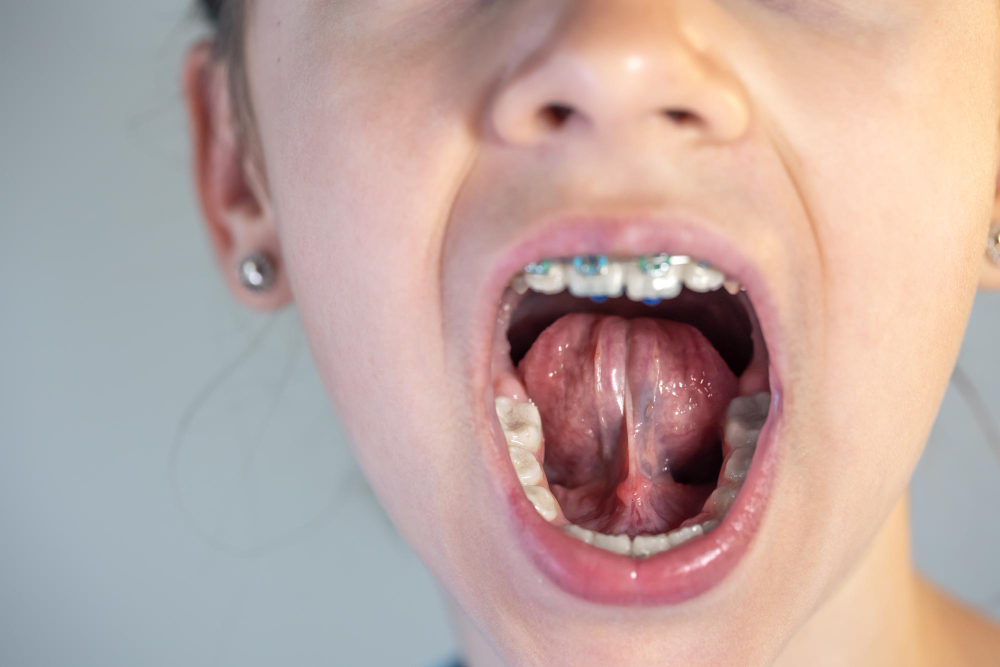
What is Tongue Tie?
Tongue tie, also called ankyloglossia, is a condition present at birth. In this condition, the strip of skin under the tongue (lingual frenulum) is shorter or tighter than usual. Because of this, the tongue cannot move freely. Tongue tie can affect eating, speaking, and oral health. Many parents notice tongue tie in babies, but sometimes it is found later in life. Early detection and treatment can help prevent problems. According to the CDC, tongue tie is not rare and can affect both boys and girls.
Symptoms of Tongue Tie
Not everyone with tongue tie has the same symptoms. However, some common signs can help you spot the problem early. For example, babies and children may show these symptoms:
Because symptoms can vary, it is important to watch for these signs early.
Causes and Risk Factors
Tongue tie happens when the lingual frenulum does not separate properly before birth. Although the exact cause is not always known, genetics may play a role. For instance, if a parent had tongue tie, their child may be more likely to have it too. Some risk factors include:
While you cannot always prevent tongue tie, knowing the risk factors can help with early detection.
Diagnosis Methods
Doctors and dentists use simple exams to diagnose tongue tie. First, they look at the tongue’s movement and shape. Next, they may ask about feeding or speech issues. Sometimes, a specialist uses a scoring system to check how much the tongue can move. In some cases, a speech therapist or lactation consultant may help with the diagnosis. Early diagnosis is important because it can lead to better outcomes.
Treatment Options
Treatment for tongue tie depends on the symptoms and age of the person. For mild cases, no treatment may be needed. However, if tongue tie causes problems, doctors may suggest:
Because every case is different, your doctor will suggest the best treatment for you or your child.
Impact on Daily Life
Tongue tie can affect daily life in many ways. For example, babies may have trouble breastfeeding, which can lead to poor weight gain. Older children may struggle with speech, making it hard to be understood. In addition, tongue tie can cause dental problems, such as gaps between teeth or trouble cleaning the mouth. Some people also find it hard to eat certain foods. Early treatment can help prevent these issues and improve oral health.
Prevention and Early Detection
Although you cannot always prevent tongue tie, early detection is possible. Parents should watch for feeding or speech problems in their children. Regular dental check-ups can also help spot tongue tie early. If you notice any symptoms, talk to your doctor or dentist right away. Early treatment can make a big difference in your child’s health and development.
When to See a Dentist or Specialist
If you or your child has trouble eating, speaking, or cleaning the mouth, it is time to see a dentist or specialist. In addition, if you notice any of the symptoms listed above, do not wait. Early help can prevent long-term problems. A dental specialist can guide you through diagnosis and treatment options for tongue tie.
For personalized advice on tongue tie, consult at Sharada dental clinic today.