
What Are Dental Implants?
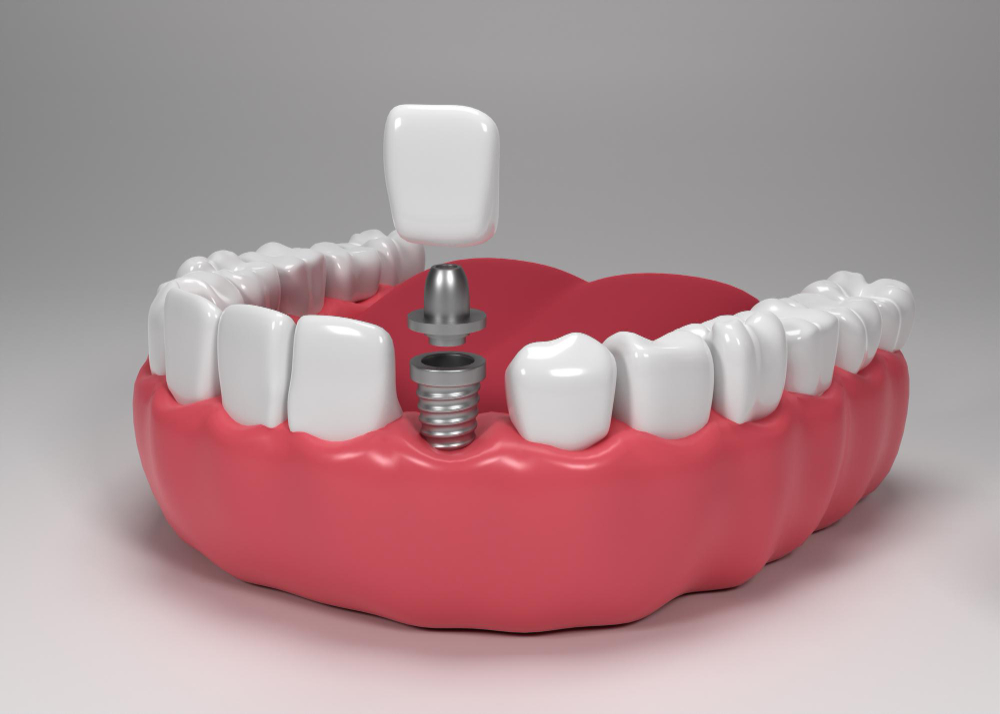
Dental implants are a popular way to replace missing teeth. They act as artificial roots for new teeth. Usually, a dentist places a small metal post into your jawbone. Then, a crown or fake tooth attaches to this post. Because dental implants feel and look like real teeth, many people choose them over other tooth replacement options.
For example, dental implants can help if you have lost a tooth due to injury, decay, or gum disease. According to the World Health Organization, tooth loss is common, but dental implants offer a strong and lasting solution.
Who Needs Dental Implants?
Not everyone needs dental implants, but they can help many people. Often, dental implants are a good choice if you:
However, some people may not be good candidates. For instance, if you smoke a lot or have certain health problems, your dentist may suggest other options.
Benefits of Dental Implants
Dental implants offer many benefits compared to other tooth replacement options. First, they look and feel like natural teeth. In addition, they do not slip or move when you talk or eat. Here are some key benefits:
Because dental implants are fixed in place, they can boost your confidence and comfort.
The Dental Implant Procedure (Step-by-Step)
The dental implant procedure usually takes several steps. Each step helps make sure the implant is safe and strong. Here is what you can expect:
Although the process takes time, each step is important for a strong and lasting result. The Centers for Disease Control and Prevention note that good planning helps lower risks.
Risks and Possible Complications
While dental implants are safe for most people, there are some risks. For example, you might have pain, swelling, or infection after surgery. Sometimes, the implant may not join with the bone as planned. Other possible complications include:
However, most problems are rare and can be treated quickly if found early. Always tell your dentist if you notice pain or swelling that does not go away.
Aftercare and Recovery Tips
Proper dental implant aftercare helps your mouth heal and keeps your implant healthy. Right after surgery, you may need to rest and eat soft foods. Here are some helpful tips:
Because good care is key, always follow your dentist’s advice for the best results.
Preventing Implant Failure
Although dental implants are strong, they can fail if not cared for. To help prevent implant failure, you should:
With these steps, you can help your dental implants last for many years.